Heat pump blowing cold air in winter: what to check before you call
A few simple settings and conditions explain most cool-air complaints, and knowing them helps you tell a quick fix from a real service call.
October 16, 2026 · 4 min read
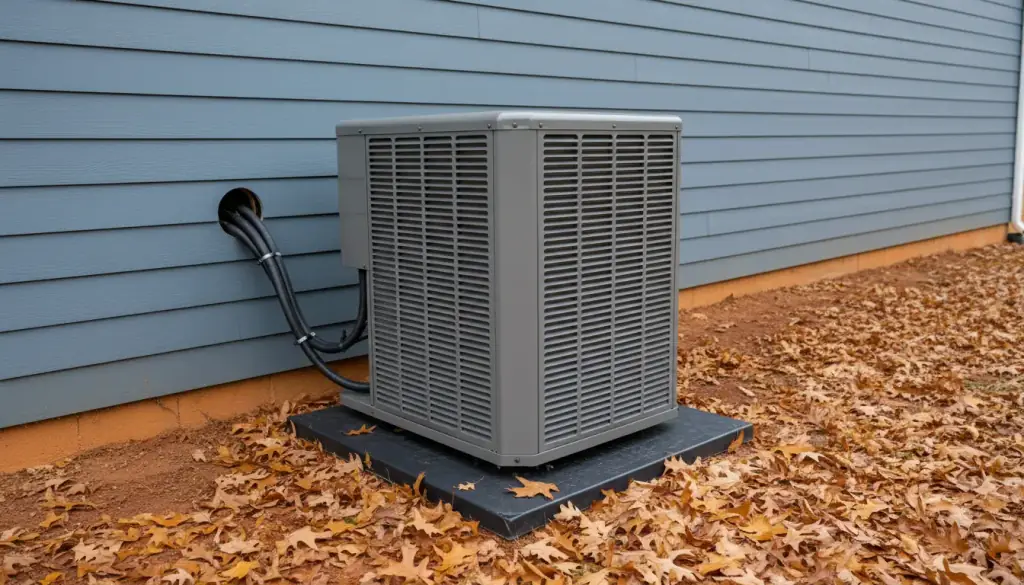
You turn the thermostat up, hold a hand over a vent, and the air feels cool. Few things make a house feel colder faster. Before you assume the worst, know that a heat pump's air does not feel like a gas furnace's air, and a handful of settings and conditions can explain what you are feeling. Work through the checks below in order. They take a few minutes, and none of them need tools.
Is the air cold, or just not hot?
A gas furnace makes very warm air from a flame, and it feels hot on your hand. A heat pump moves heat rather than burning fuel, and the air it delivers is warm but gentler, often closer to lukewarm. Held against your hand at a vent, that can feel cool even when the system is working fine, because your skin is nearly as warm as the air you are testing.
The better test is whether the house is slowly warming toward the thermostat setting. If the temperature inside is climbing and air is moving at the vents, the system is probably doing its job. If the vents feel truly cold, or the house is dropping, keep going down the list.
Thermostat settings that fool people
Start at the wall. Confirm the mode says Heat, not Cool, Auto or Off. Check that the set temperature is above the room temperature, since the system will not call for heat otherwise. With a smart thermostat, look for a schedule or an away mode that changed the target overnight, and replace the batteries in models that use them.
Look at the fan setting too. When the fan is set to On instead of Auto, the indoor blower runs all the time, and between heating cycles it pushes room-temperature air through the vents. That air feels cool, and it can make you think the heat has failed when the system is simply resting between cycles. Switching to Auto is a quick test.
Many heat pump systems also have an Emergency Heat or Aux setting that uses electric backup heat instead of the heat pump itself. It is generally meant as a backup for unusual situations, not a daily mode, so ask your technician how your particular system is set up before leaving it on.
Airflow and the filter
A clogged filter is one of the most common causes of weak, uncomfortable heat. When air cannot move freely across the indoor coil, the system cannot deliver heat well and may shut itself down on a safety switch. Pull the filter out and hold it up to a light. If you can barely see through it, replace it with the right size.
Then walk the house. Open the supply and return vents in the rooms you use, and make sure furniture, rugs and curtains are not blocking them. Closing a lot of vents can raise pressure in the ducts and starve the system of airflow, which tends to make heating worse, not better.
Look at the outdoor unit
Step outside and look at the heat pump. Is the fan turning? Is there frost or ice? A bit of frost with an occasional cloud of steam is the normal defrost cycle. A unit that is fully iced over, or one that sits silent while the house is calling for heat, points to a problem a technician should see. Make sure nothing is piled against the cabinet, and check your electrical panel for a tripped breaker.
If you find a tripped breaker, reset it once. If it trips again, stop and call. Repeated tripping means something is wrong, and forcing it can damage the equipment. Keep in mind that on very cold days, every heat pump has a harder time pulling heat from the outdoor air. Backup heat is designed to help in those conditions, and if it never seems to kick in, that is worth mentioning when you call.
When to stop troubleshooting
You have done the safe checks. Call a technician if any of these apply:
- Ice covers the outdoor unit and does not clear after a defrost cycle.
- The outdoor fan or compressor does not run when the house calls for heat.
- The breaker trips more than once.
- You hear grinding, squealing or loud buzzing from either part of the system.
- The vents blow cold air and the house keeps getting colder.
A heat pump's reversing valve, defrost control, refrigerant charge and backup heat are all things a trained technician should test with the right instruments. Please do not open panels or add anything to the system yourself. It helps to tell the technician what you already checked, what the thermostat shows, and whether the outdoor fan was running, since that saves time on arrival.
Johnson Heating & Air Conditioning sells, installs and services heat pumps, and it services all brands. If your heat pump is blowing cold air and the checks above have not turned anything up, call (864) 579-3247. The office is open Monday through Friday, 8:00 AM to 6:00 PM, with emergency service after hours and weekends.
Johnson Heating & Air Conditioning, LLC, (864) 579-3247
Call (864) 579-3247More articles
Why your heat pump is steaming on a frosty morning
Most of the time, the cloud around your outdoor unit is water vapor from a routine defrost, and a few clues tell you when it is something more.
Repair or replace an old furnace or heat pump
The right answer depends on age, repair history and how the house feels, and a few questions help you compare a repair with a new system fairly.